
Commercial property care guide
Commercial Building Washing for Professional Properties
Published August 17, 2026
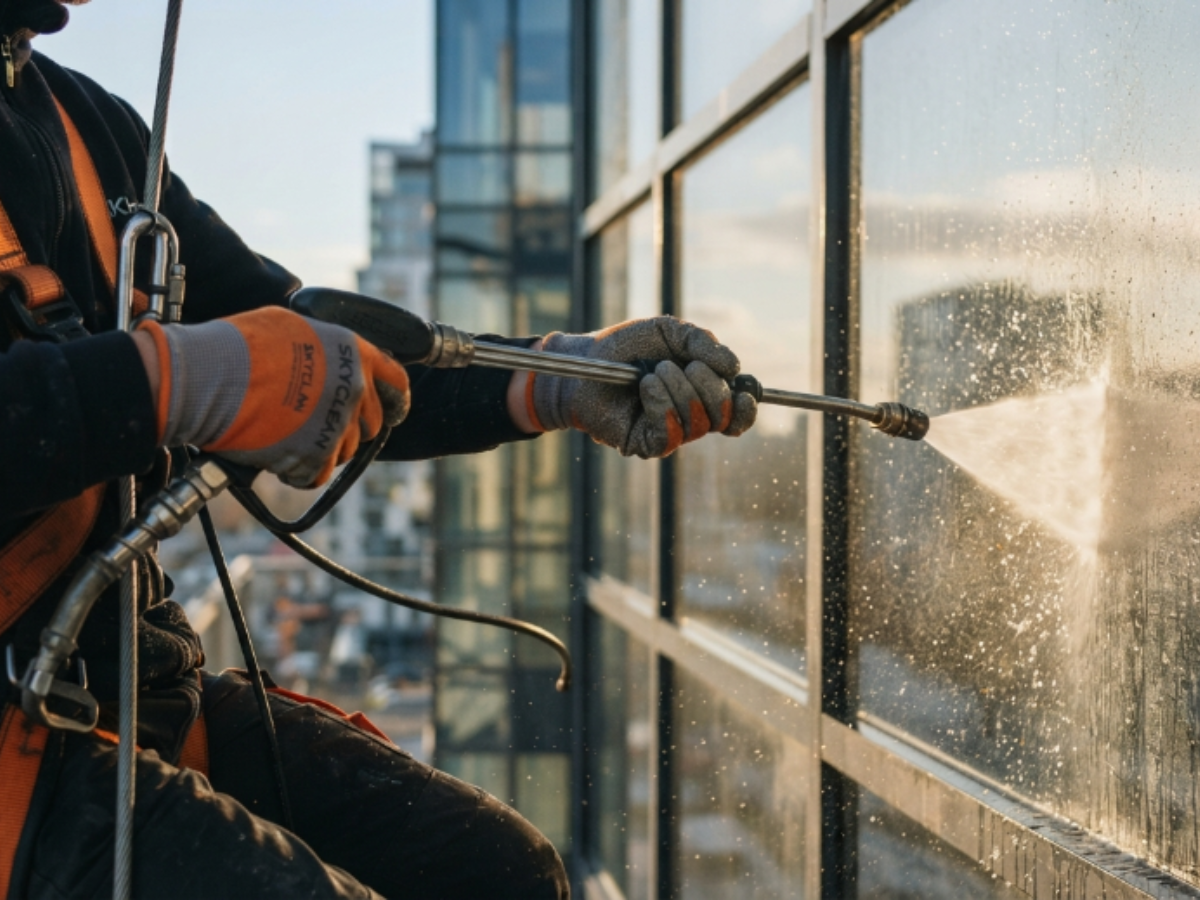
A clean commercial property creates a strong first impression for customers, employees, tenants, and visitors. Regular commercial building washing helps remove dirt, dust, algae, mildew, bird droppings, stains, and other buildup that can affect the appearance of exterior surfaces. For property owners and managers, routine exterior cleaning is also a practical part of maintaining a property.
At Exterior Prime LLC, we understand that every commercial property has different cleaning needs. Building materials, weather exposure, surrounding conditions, foot traffic, and the type of buildup all affect how an exterior should be cleaned. We focus on selecting suitable cleaning methods for each surface while providing careful and dependable service.
Why Commercial Building Washing Matters
Exterior surfaces are exposed to weather and environmental conditions throughout the year. Rain, wind, pollen, dust, pollution, and moisture can gradually leave deposits on walls, sidewalks, entrances, and other areas.
Some buildup primarily affects appearance, while other contaminants can contribute to surface deterioration when left untreated. Organic growth such as algae, mildew, and moss may also develop in damp or shaded areas.
Regular cleaning allows property owners to address these concerns before buildup becomes more difficult to remove. It also helps maintain a cleaner and more welcoming environment for people who visit or work at the property.
A commercial building represents the business operating inside it. Clean exterior surfaces can support a professional appearance and show that the property receives regular care.
Common Areas That Need Exterior Cleaning
Commercial properties include many different exterior surfaces. Each area can collect different types of dirt and debris, so a cleaning plan should consider the property as a whole.
Exterior Walls
Building walls can collect dust, pollution, algae, mildew, and other contaminants. The correct cleaning approach depends on the material and its condition.
Concrete, brick, stucco, painted surfaces, metal, and other materials can have different cleaning requirements. Using excessive pressure on a delicate surface may cause unnecessary damage.
We consider the surface before selecting an appropriate cleaning method. This helps us provide effective cleaning while taking the condition of the building into account.
Sidewalks and Walkways
Sidewalks receive regular foot traffic and can collect dirt, food residue, leaves, and organic debris. Moisture can also contribute to algae and similar growth.
Clean walkways can make a commercial property look better maintained and provide a more welcoming path for customers and employees.
Entrances and Entryways
The entrance is one of the first areas people see when visiting a business. Doors, steps, entry walls, and nearby pavement can become dirty quickly because these areas receive frequent use.
Regular cleaning helps keep high-traffic entry areas looking neat and presentable.
Parking Areas
Parking lots and surrounding pavement can accumulate dirt, leaves, stains, and other debris. These areas are an important part of the property's overall appearance.
Keeping parking areas clean can create a more consistent appearance from the moment customers arrive at the property.
Exterior Features
Signs, retaining walls, loading areas, outdoor structures, and other exterior features may also require periodic cleaning. Including these areas in a maintenance plan can help create a uniform appearance across the property.
Choosing the Right Cleaning Method
Effective exterior cleaning is not simply about using the highest pressure possible. The cleaning method should match the material and the type of buildup being removed.
Pressure washing can be suitable for durable surfaces such as certain concrete areas. Other materials may require a lower-pressure method and an appropriate cleaning solution.
Using excessive pressure on vulnerable surfaces can damage paint, coatings, mortar joints, siding, or other materials. For this reason, evaluating the surface before cleaning is an important part of professional exterior maintenance.
We consider factors such as the building material, surface condition, type of contamination, and location of the area being cleaned.
This approach allows us to provide practical cleaning solutions based on the needs of the property rather than applying the same method to every surface.
How We Approach a Commercial Cleaning Project
A successful exterior cleaning project begins with preparation. We review the property before work starts and identify the areas requiring attention.
1. Assess the Property
We examine exterior surfaces for dirt, stains, discoloration, algae, mildew, and other buildup. We also look at the condition of the materials and identify areas that may require additional care.
This assessment helps us determine an appropriate cleaning approach.
2. Prepare the Work Area
Commercial properties often have customers, employees, vehicles, doors, and other features close to the areas being cleaned.
We consider these surroundings before work begins. Proper preparation helps keep the cleaning process organized and reduces unnecessary disruption to the property.
3. Select the Cleaning Method
Different surfaces may require different techniques. Depending on the property, cleaning may involve pressure washing, soft washing, surface cleaning, or another suitable approach.
Our goal is to remove unwanted buildup while treating the surface appropriately.
4. Clean the Designated Areas
We work systematically across the areas included in the project. This helps us maintain consistency and ensures that important sections receive attention.
We also look closely at corners, shaded areas, entrances, and other locations where dirt or organic material can accumulate.
5. Review the Work
After cleaning, we review the treated areas to make sure the work has been completed properly. If a particular section requires additional attention, we address it when appropriate.
A final review helps us maintain consistent results from one project to the next.
How Often Should a Commercial Property Be Cleaned?
There is no universal cleaning schedule for every commercial property. Cleaning frequency depends on the building's location, materials, surrounding environment, weather exposure, and level of activity.
Properties surrounded by trees may collect more leaves, pollen, and organic debris. Buildings in damp environments may also experience more algae or mildew growth.
High-traffic businesses may need more frequent cleaning around entrances, sidewalks, and parking areas. Properties with less exposure to dirt and moisture may require less frequent service.
Instead of following an arbitrary schedule, property owners can monitor exterior surfaces and arrange cleaning when visible buildup begins to appear. Regular inspections can make it easier to identify areas that need attention.
Benefits of Regular Exterior Maintenance
Routine exterior cleaning offers several practical benefits for commercial property owners.
A Professional Appearance
A clean building creates a welcoming environment for customers, clients, tenants, and employees. Removing visible dirt and staining can make the property appear better maintained.
Better Property Care
Regular cleaning helps property owners address exterior buildup before it becomes heavily established. This can support a broader property maintenance program.
Improved Curb Appeal
The appearance of a commercial property extends beyond the building itself. Clean walls, walkways, entrances, and surrounding areas contribute to the property's overall presentation.
Consistent Maintenance
Exterior cleaning can be included in a seasonal or annual maintenance plan. Having a routine can make property care easier to organize throughout the year.
What to Consider When Hiring an Exterior Cleaning Company
Choosing a commercial cleaning provider involves more than comparing service prices. Property owners should consider experience, cleaning methods, communication, and the company's understanding of different exterior materials.
It is useful to ask how the property will be assessed before cleaning. A knowledgeable provider should recognize that different materials may require different levels of pressure and different cleaning techniques.
Clear communication is also important. Property owners should understand which areas are included, what preparation is required, and what type of cleaning method may be appropriate.
Experience can be particularly valuable when working with commercial properties because buildings vary in size, construction materials, age, and condition.
We believe that careful preparation, appropriate cleaning methods, and clear communication are essential to responsible exterior cleaning.
Why Professional Experience Matters
Exterior cleaning may look simple, but commercial properties can present challenges that are not immediately visible.
Different surfaces respond differently to water pressure and cleaning solutions. Older materials, painted surfaces, delicate finishes, and heavily stained areas may require additional consideration.
Professional experience helps us recognize these differences and choose an appropriate cleaning method. It also allows us to identify conditions that may require additional attention before cleaning begins.
Our work is not simply about removing dirt. We focus on treating exterior surfaces carefully, addressing visible buildup, and supporting the property's overall maintenance needs.
Make Exterior Cleaning Part of Property Maintenance
Exterior cleaning works best when it is included in an ongoing property maintenance plan. Waiting until surfaces are heavily soiled can make cleaning more difficult and time-consuming.
Property owners and managers can inspect exterior areas throughout the year and schedule cleaning when dirt, stains, or organic growth become noticeable. Seasonal inspections can also help identify areas affected by weather and changing environmental conditions.
Keeping a basic maintenance record can be helpful as well. Recording when exterior areas were cleaned can make it easier to plan future service and maintain a consistent schedule.
A proactive approach can help businesses maintain a cleaner and more presentable property throughout the year.
Keep Your Commercial Property Looking Its Best
A clean exterior can make a noticeable difference in the appearance of a commercial property. Dirt, stains, algae, mildew, and other outdoor buildup are common, but regular maintenance can help keep these concerns under control.
The right cleaning schedule and suitable methods can support the appearance and condition of exterior surfaces. Commercial building washing can be a valuable part of that maintenance plan when performed according to the property's materials, environment, and cleaning requirements.
For dependable commercial exterior cleaning and careful service, Exterior Prime LLC is ready to help keep your property clean and presentable. Get your free quote today and find the right cleaning service for your commercial property.