
Commercial property guide
How Commercial Exterior Cleaning Supports Better Properties
Published September 17, 2026
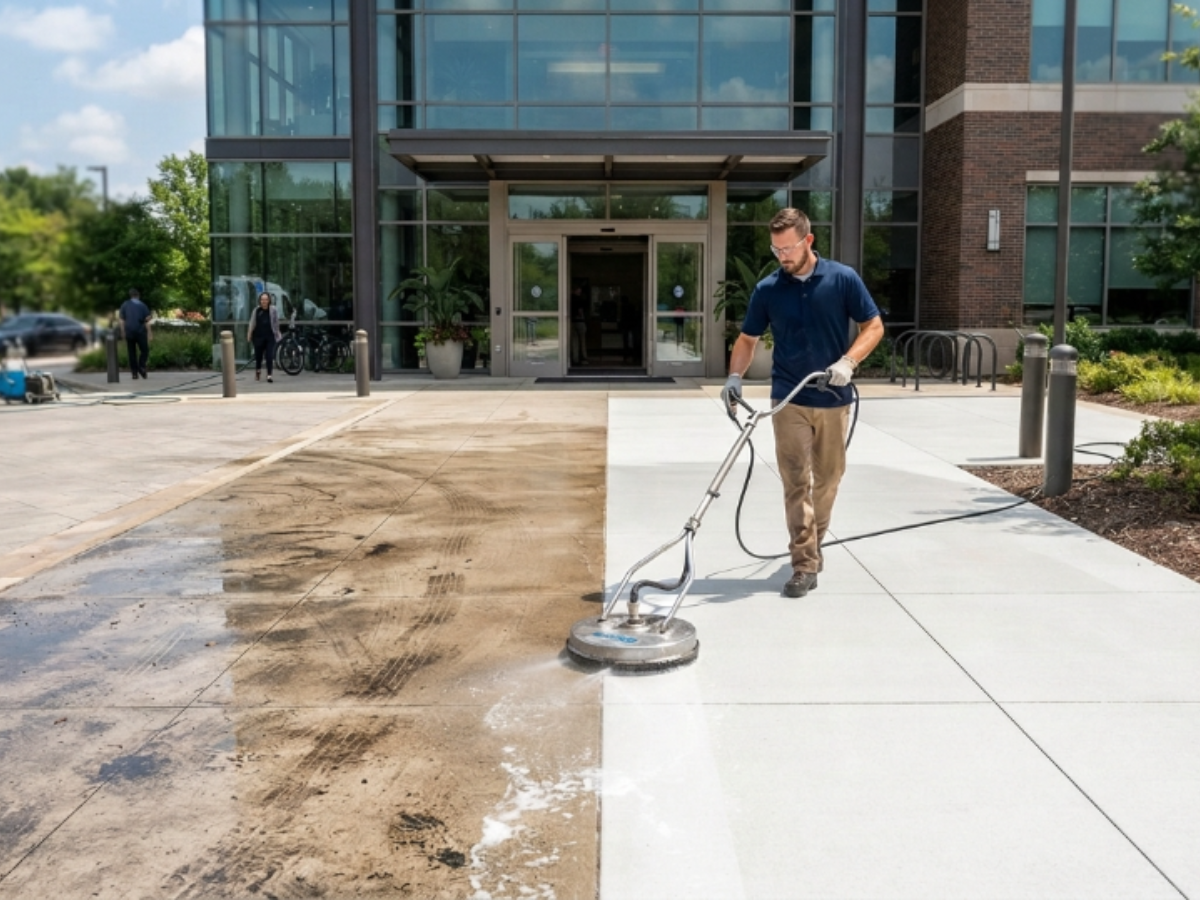
A clean commercial property makes a strong first impression on customers, employees, tenants, and visitors. Exterior surfaces are regularly exposed to rain, sunlight, wind, dust, pollen, vehicle emissions, and organic buildup. Over time, these contaminants can leave buildings, sidewalks, entrances, and other areas looking dirty. Commercial exterior cleaning helps us remove this buildup and maintain a clean, presentable property.
We also need to consider the type and condition of each surface before cleaning. Concrete, brick, siding, glass, and other materials may require different pressure levels, cleaning solutions, and techniques. Using the right approach helps us clean effectively while reducing the risk of unnecessary surface damage. Exterior Prime LLC provides professional exterior cleaning services with these property and surface considerations in mind.
Why Commercial Exterior Cleaning Matters
The exterior of a commercial property is often the first part of the business that people see. A clean entrance, building facade, walkway, and surrounding area can create a more welcoming environment for customers and visitors.
Outdoor surfaces naturally collect dirt and debris. Dust can settle on walls and windows, while pollen and other airborne particles can accumulate around entrances and ledges. Moisture can also contribute to the growth of algae, mildew, and other organic matter on suitable surfaces.
Regular cleaning helps us address these concerns before they become more noticeable. Instead of allowing buildup to accumulate for long periods, we can incorporate exterior cleaning into a broader property maintenance routine.
Clean surfaces can also make routine inspections easier. When dirt and debris are removed, we may have a clearer view of the underlying surface and can more easily notice cracks, discoloration, damaged areas, loose materials, or other maintenance concerns that may require attention.
Understanding the Surfaces We Clean
Commercial properties can contain many different exterior materials. Concrete sidewalks may surround brick walls, painted surfaces, metal fixtures, glass storefronts, and other materials. Because these surfaces have different characteristics, one cleaning approach may not be suitable for every area.
Concrete is commonly used for sidewalks, entrances, loading areas, and parking spaces. It is durable, but it can collect dirt, tire marks, organic growth, and other stains. The condition of the concrete should be considered before cleaning, especially when cracks or weakened areas are present.
Brick and masonry also require appropriate care. Strong pressure or unsuitable cleaning agents can potentially affect older, damaged, or more delicate masonry. We should always consider the condition of the material rather than treating every surface in the same way.
Painted siding and other coated surfaces require additional attention because excessive pressure or an inappropriate cleaning solution may affect the coating. Glass, metal, and decorative features also require methods suited to their specific characteristics.
A careful approach starts with identifying what we are cleaning. This allows us to select equipment, pressure levels, cleaning products, and techniques that are appropriate for the surface.
Planning a Practical Cleaning Schedule
There is no single cleaning schedule that works for every commercial property. The right frequency depends on factors such as the property's location, surrounding environment, building materials, foot traffic, weather exposure, and type of business.
Properties located near busy roads may collect more dust and vehicle-related residue. Buildings surrounded by trees may receive more pollen, leaves, and organic debris. Areas exposed to frequent moisture may also require closer attention to visible organic growth.
High-traffic entrances and walkways may need more frequent cleaning than less-used exterior areas. A retail property, office building, restaurant, warehouse, and industrial facility may all have different maintenance requirements.
We can also consider seasonal conditions when planning exterior maintenance. Periodic cleaning can help remove accumulated debris and keep important areas presentable as conditions change throughout the year.
Rather than waiting until surfaces look heavily soiled, we can establish a routine based on the property's actual needs. Consistent maintenance is often easier to manage than addressing extensive buildup after it has been left unattended for a long period.
Areas That May Benefit From Cleaning
Commercial exterior maintenance can involve several areas around a property. Each area may require a slightly different approach depending on its material and condition.
Building Exteriors
Exterior walls can collect dust, dirt, pollen, and other contaminants. Cleaning these surfaces can help maintain a consistent appearance and keep visible buildup from becoming a long-term maintenance concern.
Before cleaning, we should identify the siding, masonry, coating, or other material and check for areas that may require special attention.
Sidewalks and Walkways
Walkways receive regular foot traffic and can accumulate dirt, mud, stains, and organic matter. Keeping these areas clean can contribute to a more orderly appearance around entrances and high-traffic sections of a property.
Because pedestrians regularly use these surfaces, cleaning should be planned carefully. We should also account for drainage, surrounding landscaping, and appropriate drying time.
Storefronts and Entrances
Entrances are especially important because customers often encounter them before entering the building. Doors, surrounding walls, concrete, and other nearby surfaces can collect noticeable dirt.
Maintaining these areas can help create a cleaner first impression while supporting the property's overall appearance.
Parking and Service Areas
Parking areas, loading zones, and service spaces can experience heavy use. They may collect dirt, debris, vehicle residue, and other contaminants.
Regular attention to these areas can help keep the property organized and make accumulated buildup easier to manage.
Why Proper Pressure Matters
Pressure washing can be effective, but more pressure is not always better. The correct pressure depends on the material, its condition, the type of contamination, and the equipment being used.
Excessive pressure can potentially damage surfaces such as painted coatings, older masonry, wood, or areas that have already deteriorated. Even durable materials can be affected when equipment is used incorrectly or held too close to a surface.
We should also consider the spray pattern and distance from the surface. Professional cleaning requires control rather than simply applying the highest available pressure.
For some areas, a lower-pressure cleaning method combined with an appropriate cleaning solution may be more suitable. The goal should be effective cleaning while respecting the condition and characteristics of the material.
The Role of Cleaning Solutions
Water alone may not always be sufficient for removing certain types of exterior buildup. Depending on the surface and contamination, a suitable cleaning solution may help loosen dirt and organic matter before rinsing.
However, cleaning products should be selected carefully. The wrong solution can stain, discolor, or otherwise affect certain materials. We also need to consider nearby landscaping, drainage systems, and other areas that could be affected by runoff.
Following product directions and using appropriate application practices are important parts of responsible exterior cleaning. When we are uncertain about a particular surface or contamination, it is better to assess the situation before applying a cleaning product.
Protecting Landscaping and Surrounding Areas
Commercial exterior cleaning does not happen in isolation. Buildings often have landscaping, gardens, signage, outdoor furniture, lighting, electrical components, and other features nearby.
Before starting work, we should identify anything that may need protection. Plants and landscaping can be shielded or managed appropriately, while sensitive equipment and fixtures should be considered during the cleaning process.
We should also pay attention to where water and cleaning solutions can flow. Good planning helps us manage runoff and avoid creating unnecessary problems around the property.
Taking these precautions demonstrates that exterior maintenance involves more than cleaning a surface. It requires awareness of the entire work area.
Choosing a Professional Cleaning Approach
When we arrange exterior cleaning for a commercial property, we should look beyond whether a company simply offers pressure washing. Experience with different exterior materials is important because the cleaning method should match the surface.
A professional approach should include an assessment of the property, consideration of surface conditions, appropriate equipment selection, and attention to surrounding areas.
Clear communication is also valuable. Before work begins, we should understand which areas will be cleaned, what methods may be used, and whether any surfaces require special treatment.
A trustworthy service provider should be willing to explain the process and address reasonable questions about the work. This gives property owners and managers a better understanding of what to expect.
Keep Your Commercial Property Looking Its Best
Maintaining a commercial property requires attention to both appearance and regular upkeep. Commercial exterior cleaning can help us remove dirt, stains, organic buildup, and other common exterior contaminants while keeping the property clean and presentable.
The right approach starts with understanding the property's exterior materials and selecting cleaning methods suited to their condition. By considering pressure, cleaning solutions, surrounding areas, drainage, and cleaning frequency, we can care for exterior surfaces responsibly.
When your commercial property needs professional exterior cleaning, Exterior Prime LLC is ready to help. Request a free quote today to discuss your commercial property's exterior cleaning needs and get started with a service plan suited to your property.