Black streak algae versus green algae on a Ripon roof
Black streaking comes from Gloeocapsa magma feeding on shingle limestone, while green algae grows as a surface film in persistent shade and moisture.
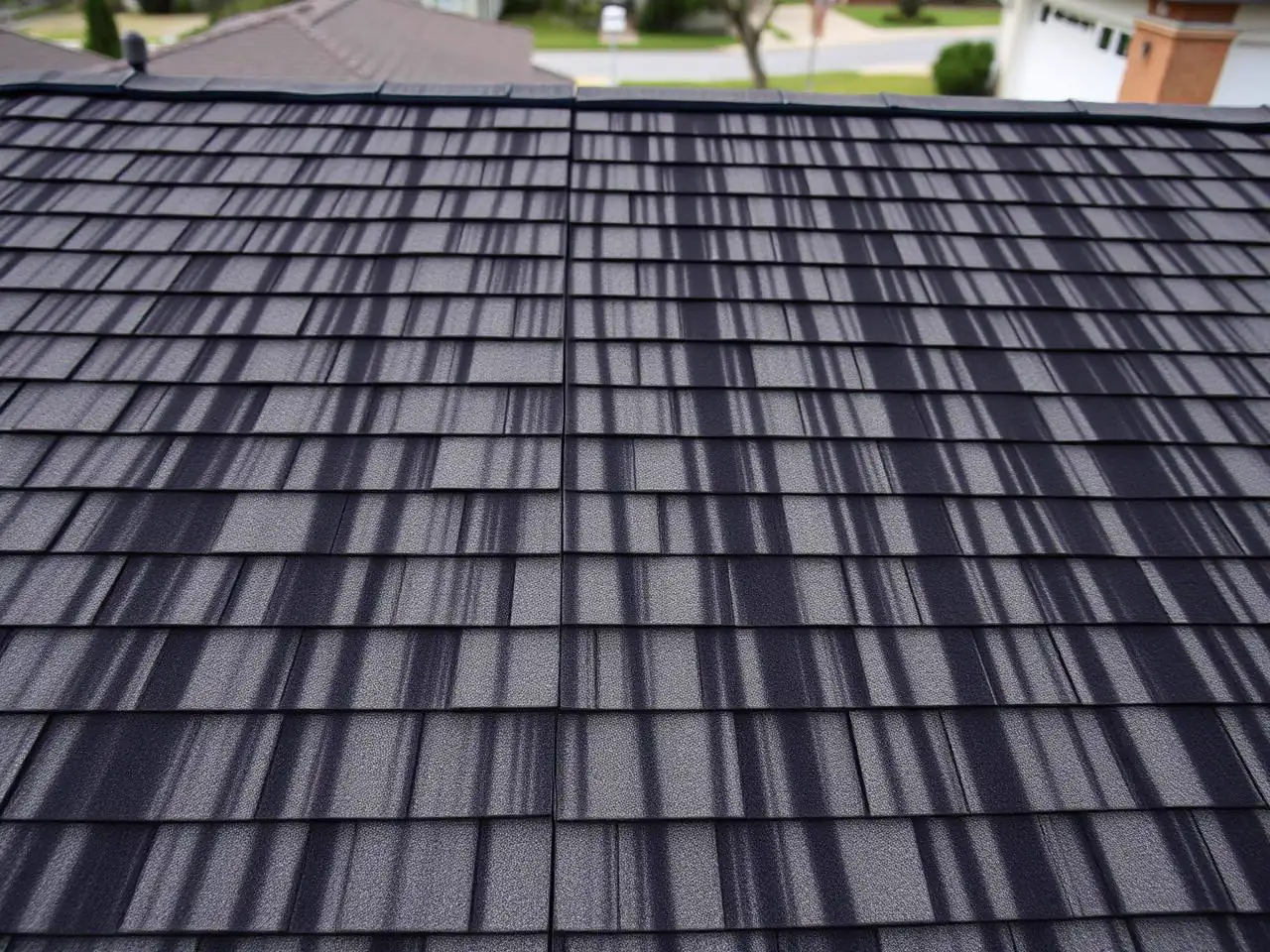
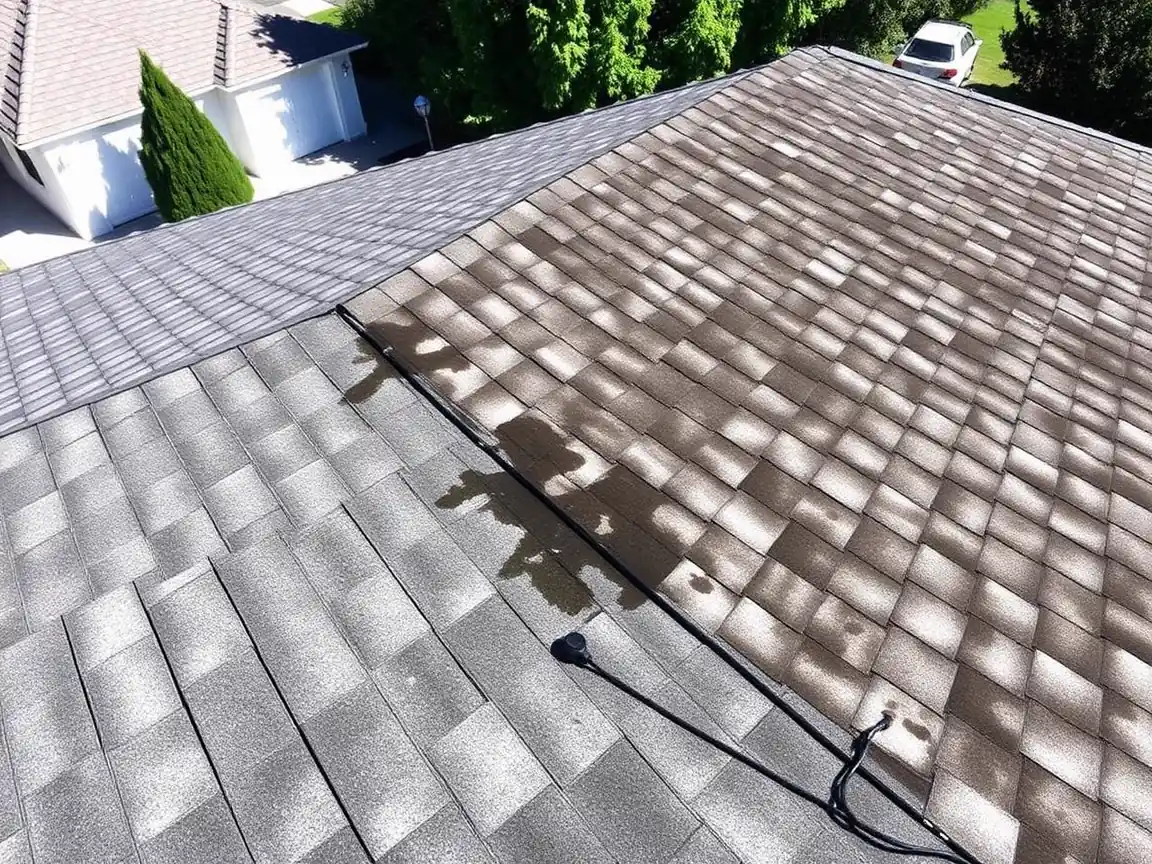
Black streak algae is the more common complaint across Ripon's older neighborhoods, appearing as dark vertical streaks running down from ridge lines on south- and west-facing shingle slopes exposed to enough sun to feed the organism's growth cycle. It spreads airborne, which is why entire blocks near Colony Oak can develop similar streak patterns within the same year or two.
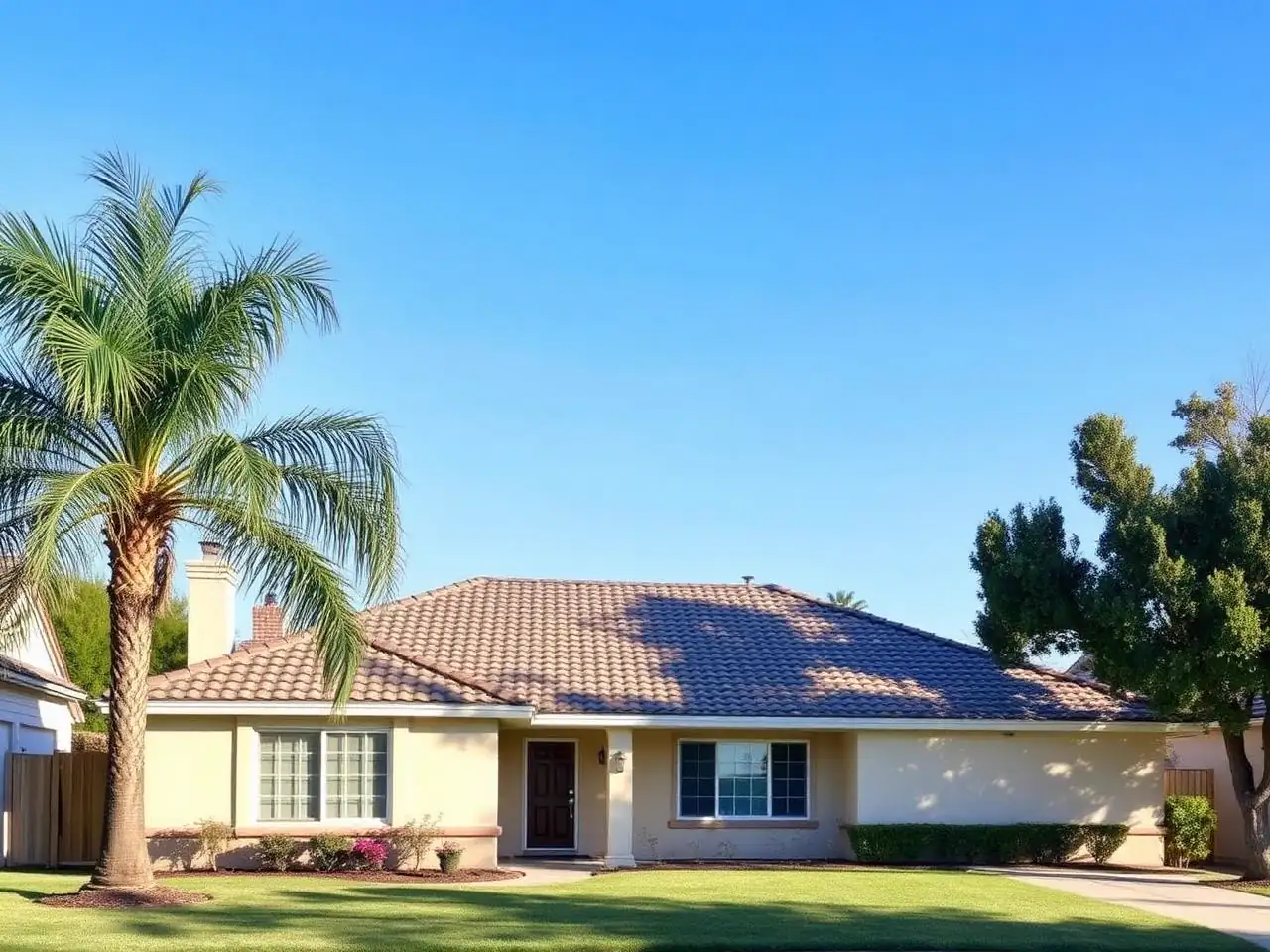
Green algae, by contrast, favors shade and standing moisture, showing up most on north-facing tile fields and shingle pitches that stay damp through Ripon's November-through-February fog window. It appears as a thin film rather than streaks and can make a roof plane look almost mossy from the ground before actual moss has established.
Both types respond to the same biocide chemistry, but green algae usually clears in a single lighter application while established black streaking, especially on roofs older than 10 years, sometimes needs the full standard dwell time to fully break down.
How algae shortens a Ripon roof's usable life
Left untreated for years, algae colonies can trap moisture against granules and accelerate the shingle aging process on a Ripon roof.
Algae itself doesn't structurally damage a roof the way moss can, but a thick, long-established colony holds a thin moisture layer against the shingle surface that keeps the deck slightly damper than it should be, especially in shaded sections. Over several years, that persistent dampness can contribute to earlier granule loosening than a clean, dry roof would experience.
There's also a resale consideration: a Ripon home listed with heavy black streaking often reads to buyers as an aging roof needing replacement, even when the shingle itself has years of remaining life. A soft-wash algae removal typically resolves that visual concern for a fraction of replacement cost.
Because algae spreads roof to roof through airborne spores, treating one home in a cluster of affected houses near Mistlin sometimes only delays reinfection by a season or two if neighboring untreated roofs remain a spore source nearby.
Getting algae removal scheduled in Ripon, CA
Algae removal bookings in Ripon peak each spring, once winter fog clears and homeowners can see the full extent of streaking.
March through May is typically our busiest window for Ripon algae removal requests, since that's when green winter growth is most visible and homeowners are also preparing homes for spring sale listings. Fall bookings pick up again once summer heat above 100°F, which limits solution effectiveness, passes.
A quote confirms roof material, approximate square footage and which type of algae is present, since green algae sometimes clears with a lighter single pass while black streaking uses the full standard treatment.
Does Ripon's Central Valley setting make algae worse than other San Joaquin County towns?
San Joaquin County's ag dust, almond-orchard humidity and Tule fog season give algae spores more moisture and grit to establish on a Ripon roof than a drier climate allows.
Ripon sits on the Central Valley floor in San Joaquin County, where irrigation runoff from nearby almond orchards raises spring humidity and fine ag dust drifting off Highway 99 during harvest settles into ridge caps, valley flashing and the gutter line, giving algae spores extra grit to cling to before rain even falls. Exterior Prime professionals see this pattern repeat every year on roofs near Mistlin and Stonebridge, where shade, dust and humidity combine faster than in drier inland towns.
That regional pressure also affects downspout and eave-line buildup, since dust and dissolved algae residue collect at the drip edge and soffit vents faster than in a dry-climate market, which is why Exterior Prime professionals check those areas on every Ripon visit rather than treating the open roof field as the only surface that matters. Underlayment and fascia trim beneath a compromised eave rarely show damage from algae alone, but the persistent moisture algae holds against those components accelerates wear over several years.