Why scraping moss off a Ripon roof causes more damage than it fixes
Manual scraping can tear shingle granules or crack tile edges, while chemical treatment lifts moss without contacting the deck directly.
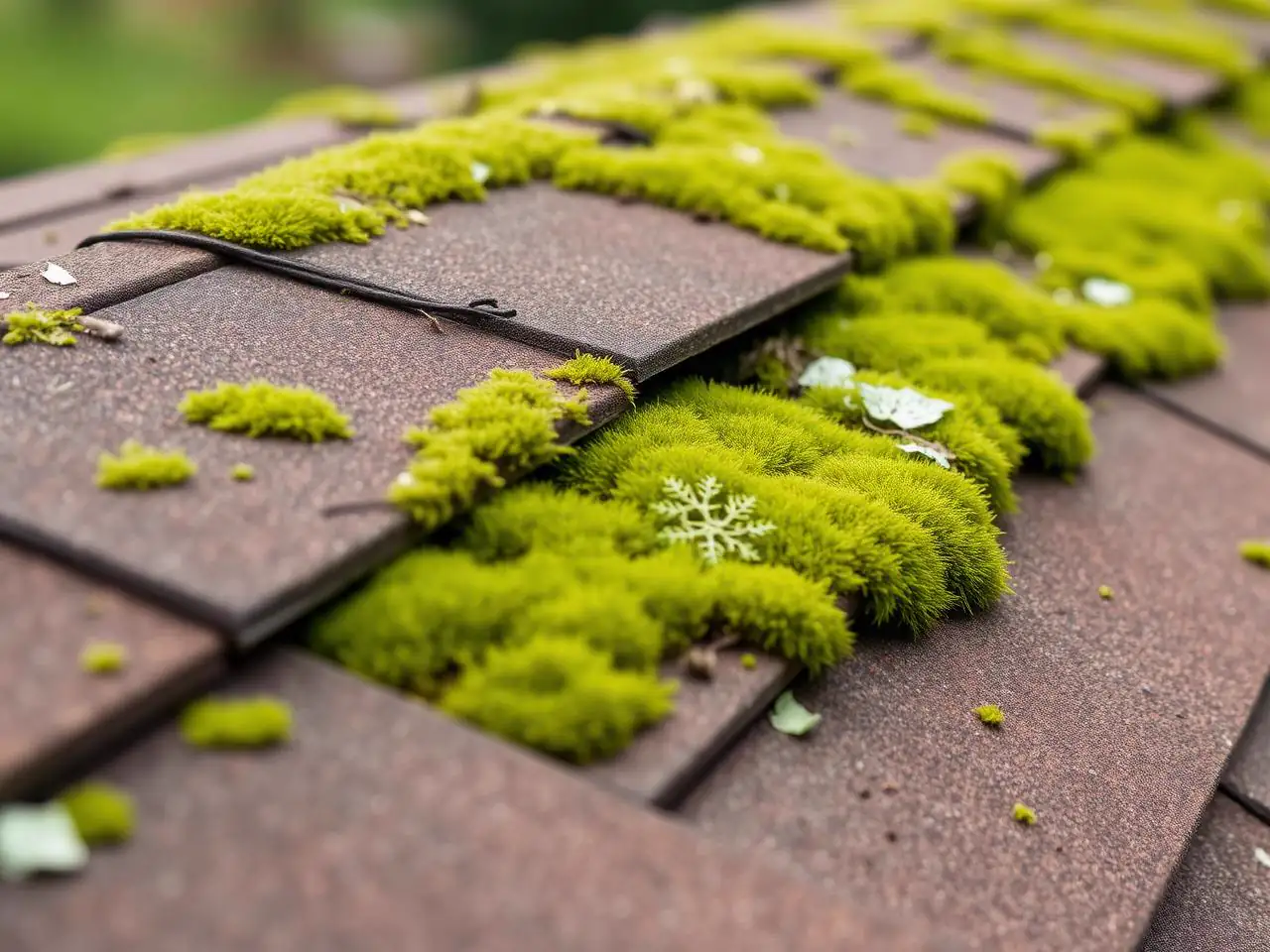
Some Ripon homeowners try to knock moss loose with a broom or scraper, which seems reasonable until you consider that moss rhizoids grow into and around shingle granules or tile edges as they establish. Pulling that root system out mechanically usually takes granules or small tile fragments with it, leaving bare, unprotected spots exactly where the moisture problem was worst to begin with.
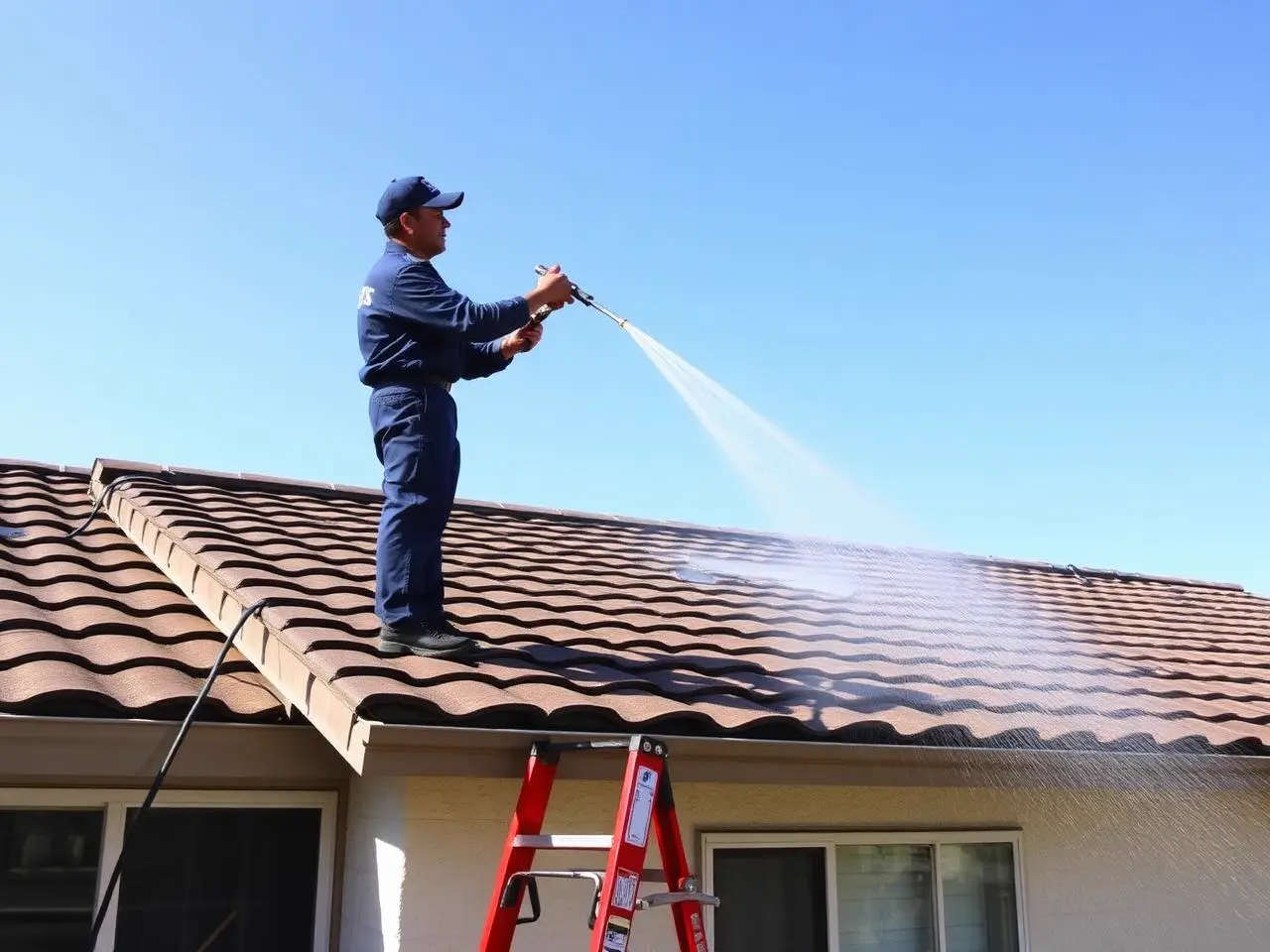
Chemical soft washing takes a different route: the biocide is absorbed into the moss and its root structure, breaking down the organism from the inside over the dwell period. Once dead, the moss dries and loosens on its own, and a gentle low-pressure rinse carries the dead material off without any scraping contact with the roof surface.
This distinction matters most on older Ripon homes near Main Street with 20-plus-year shingle roofs, where the granule layer is already thinner and can't tolerate mechanical removal without accelerating wear.
Where moss establishes on Ripon roofs and why
North-facing pitches under mature shade trees hold enough moisture through Ripon's foggy winters for moss spores to establish and spread.
Moss needs sustained moisture to germinate, and Ripon's Tule fog season from roughly November through February keeps shaded roof sections damp for days at a stretch. Combine that with a north-facing pitch that gets little direct sun even at midday during winter, and you have the exact conditions moss spores need to take hold.
Once established, a small moss patch can double in coverage within a single wet season if left untreated, because each mature patch releases new spores that settle on adjacent shaded shingle or tile. That is why a golf-ball-sized patch near a Spring Creek chimney flashing in October can spread to cover a full valley by the following spring.
Valleys, where two roof planes meet, are especially prone because they collect extra runoff and organic debris like leaves and twig litter that moss uses as a moisture reservoir between rain events.
Scheduling moss removal for a Ripon, CA roof
Late winter and early spring, once the wettest fog weeks pass, is the ideal window for moss removal on a Ripon roof.
Treating moss right after the wettest stretch means the biocide has time to fully dry and cure before the next rain event potentially dilutes it. We typically recommend late February through April for Ripon moss jobs, ahead of the dry summer that would otherwise let existing moss simply go dormant rather than be removed.
A quote covers roof material, approximate moss coverage in square feet, and pitch; heavy coverage over roughly 30% of a roof plane adds the $0.05 per square foot heavy-moss surcharge to the base soft-wash rate.
Exterior Prime professionals field the same scheduling questions from homeowners near the Stonebridge development as from older Downtown Ripon streets, since both areas see the wettest fog weeks end around the same time each year.
Why does moss establish faster on shaded Ripon lots near Downtown and Mistlin?
Central Valley humidity, mature shade trees and Ripon's Tule fog season combine to give moss the sustained moisture window it needs to establish.
Downtown Ripon's older tree-lined streets and the shaded lots near Mistlin hold more canopy cover than newer subdivisions, and that canopy traps ground moisture rising off well water irrigation and keeps a north-facing shingle or tile pitch damp for days after a storm. Add San Joaquin County's Tule fog mornings, common from November through February, and a shaded roof plane rarely gets the direct sun exposure needed to fully dry between wet spells.
Exterior Prime professionals see the same pattern repeat every winter: two identical roofs a few blocks apart in Ripon, one shaded near mature oaks and one in open sun near Highway 99, develop moss at very different rates even though both sit on the same Central Valley floor. That is why we ask about tree cover and orientation, not just square footage, when scoping a moss removal quote for a Ripon roof.