Why tile roofs in Manteca need a specialized cleaning approach
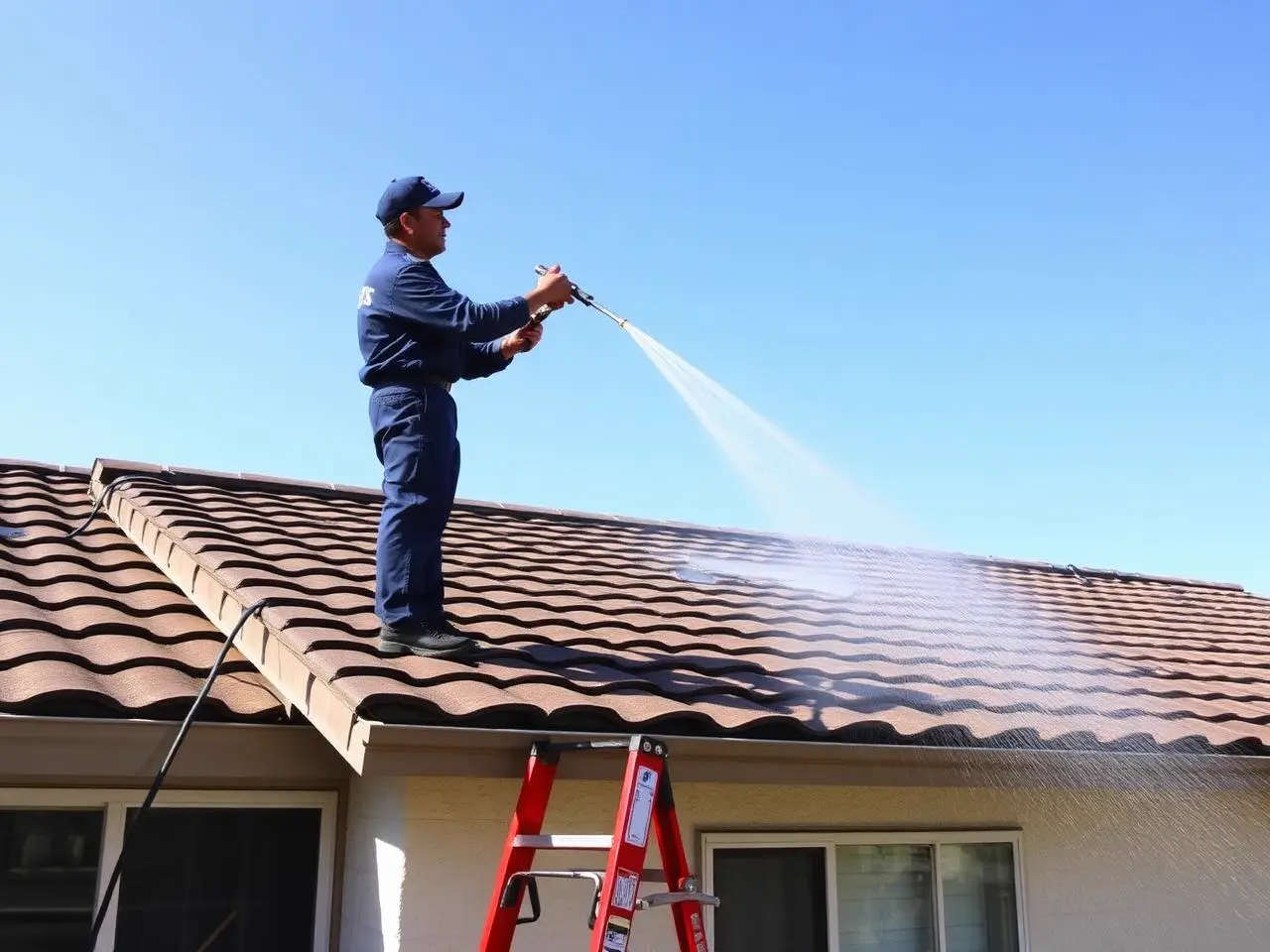
Concrete and clay tile crack under direct pressure and shift underfoot, so Exterior Prime professionals walk tile roofs minimally and clean primarily from ladder and low-pressure hose lines.
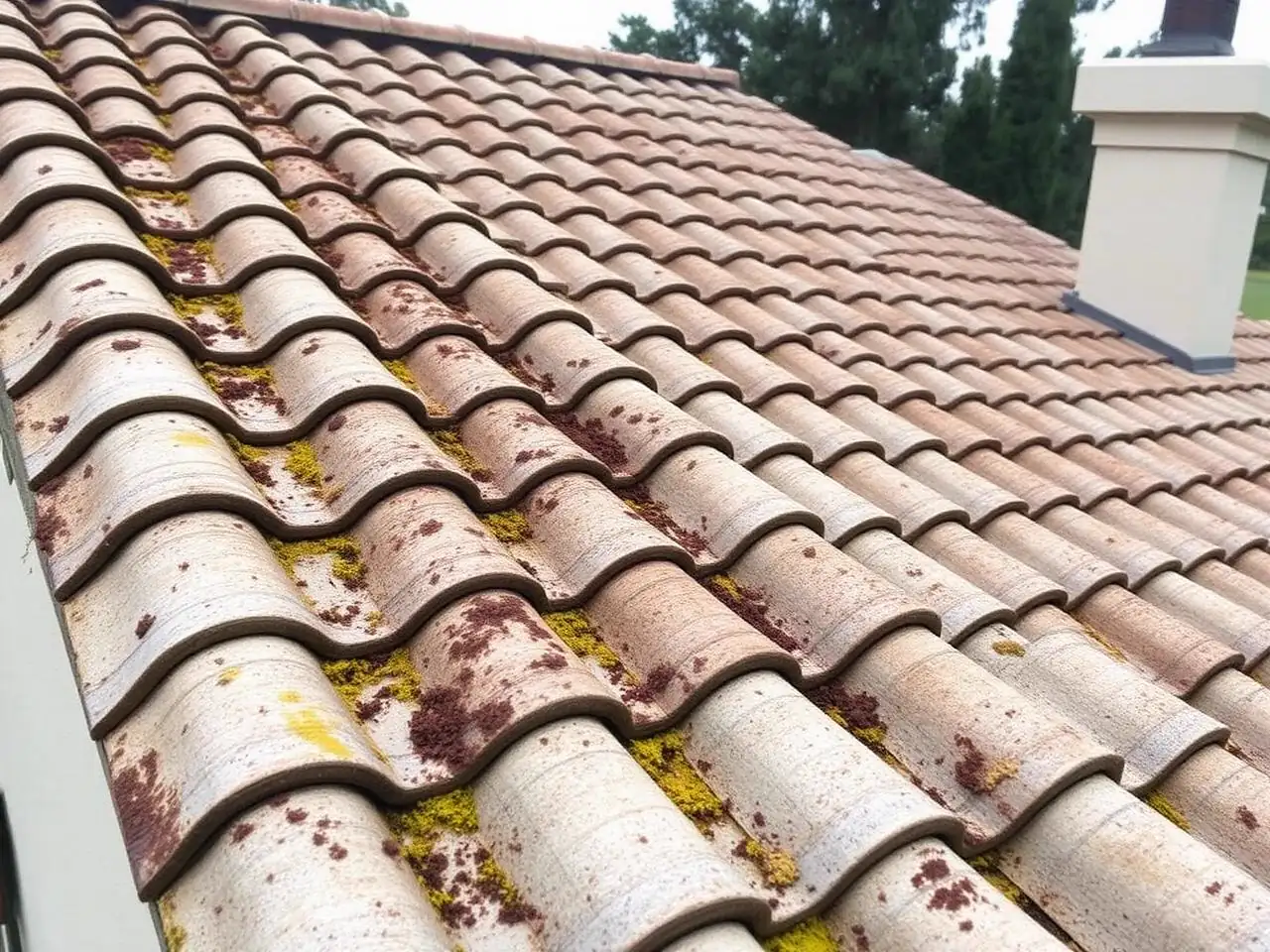
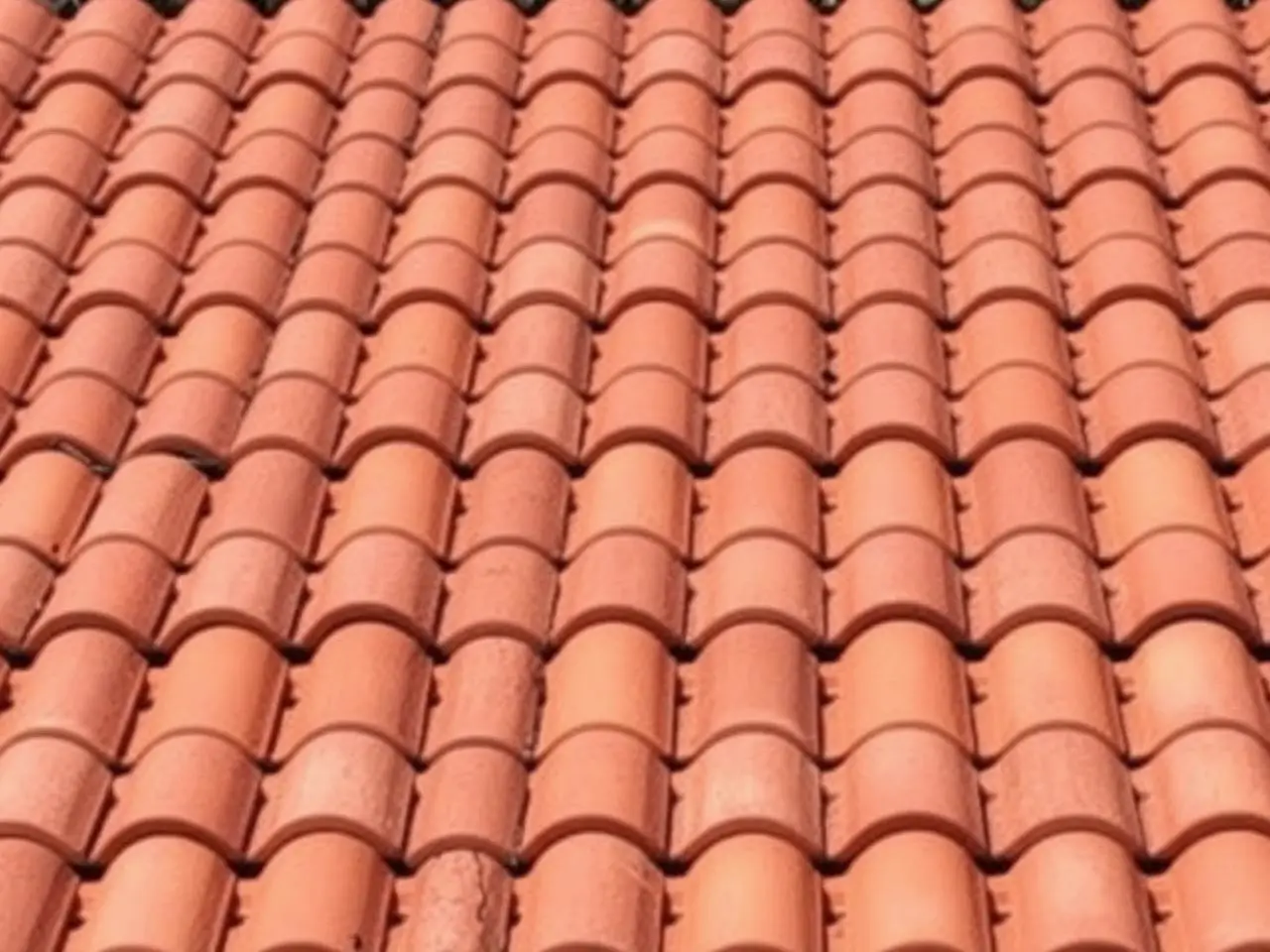
Barrel tile common on Manteca's Mediterranean and Spanish-influenced tract homes near Del Webb at Woodbridge sits in overlapping curved rows that trap debris, moss and dust in the channels between each piece. A pressure washer forced into those channels can chip the tile edge or drive water underneath the underlayment, causing leaks that don't show up for months.
Flat concrete tile, used on some of the more modern Manteca builds, is less curved but no more forgiving of foot traffic — stepping in the wrong spot on a dry, brittle tile can crack it outright, especially on roofs installed before 2005 that have already weathered two decades of Central Valley heat cycles.
Because of that fragility, Exterior Prime professionals plan tile jobs around minimal foot traffic, working from roof edges and ladder positions wherever the pitch allows, and using extended-reach wands to soft-wash interior sections without walking across them.
The staining pattern on Manteca tile roofs
Dust and mineral runoff settle into the low channels of barrel tile, while flat tile shows a more even gray film across the whole field.
Barrel tile's curved shape means dust carried in on dry August winds off surrounding farmland collects in the trough of each piece rather than washing off the crown, creating a striped pattern visible from the street once enough builds up. That striping often gets mistaken for tile discoloration or aging when it's actually just three or four seasons of settled dust and organic film.
Flat tile shows a more uniform gray-green haze, especially on north-facing slopes that hold Tule fog moisture longest during Manteca's December and January mornings. That moisture supports a thin layer of algae that spreads across the whole tile field rather than concentrating in channels.
Either pattern responds to the same soft-wash solution and dwell time, but barrel tile channels sometimes need a light secondary rinse pass to fully flush dislodged debris out of the grooves rather than leaving it to collect again at the next rain.
Tile roof cleaning cost and scheduling in Manteca
A typical 1,400 sq ft tile roof prices at $770, with two-story or steep-pitch tile adding $0.10 per square foot for the additional rigging required.
Tile roofs run $0.55 per square foot of roof area versus $0.50 for shingle, reflecting the slower, more careful application method and the extra time spent working channels and edges by hand rather than a fast sweeping pass. A 2,000 sq ft tile roof runs roughly $1,100 before any pitch or moss surcharge.
Because tile jobs take longer — typically four to six hours versus three to four for comparable shingle roofs — scheduling around Manteca's cooler months, October through April, is common since summer heat above 100°F makes extended roof time harder on both the solution's working time and on anyone stepping across the tile.
The $397 standalone minimum applies to tile the same as other materials across both Manteca ZIP codes, and bundling tile roof cleaning with a same-trip house wash or gutter service can bring the effective per-job cost down through the Gutter Combo or Total Exterior packages.
Which Manteca neighborhoods see the most tile roof staining?
Del Webb at Woodbridge, Woodward Park and the newer streets off Union Ranch carry the highest concentration of barrel and flat tile in Manteca, and each shows a slightly different staining pattern.
Del Webb at Woodbridge's barrel tile tends to trap dust in the channel of each piece, while flat tile on newer Woodward Park construction shows a more even haze across the whole field. Homes bordering Union Ranch split between the two styles depending on when each phase of the tract was built, so Exterior Prime professionals confirm tile type on the ground walk rather than assuming from the street.
Almond orchards ringing the outskirts of town contribute a fine seasonal dust that settles into tile channels every summer, and the Central Valley's dry stretch between May and September gives that dust nothing to wash away until the first real fall rain. That six-month buildup is part of why tile roofs here often look duller by August than they did in April.
A third factor is well water used for irrigation on some older Manteca lots near Powers Tract, which can leave a faint mineral film on lower tile courses that soft washing lifts along with the organic staining in the same visit.