What determines roof cleaning cost for a Tracy home?
Roof material, total square footage, pitch and how heavy the algae or moss growth has become all drive the final Tracy price.
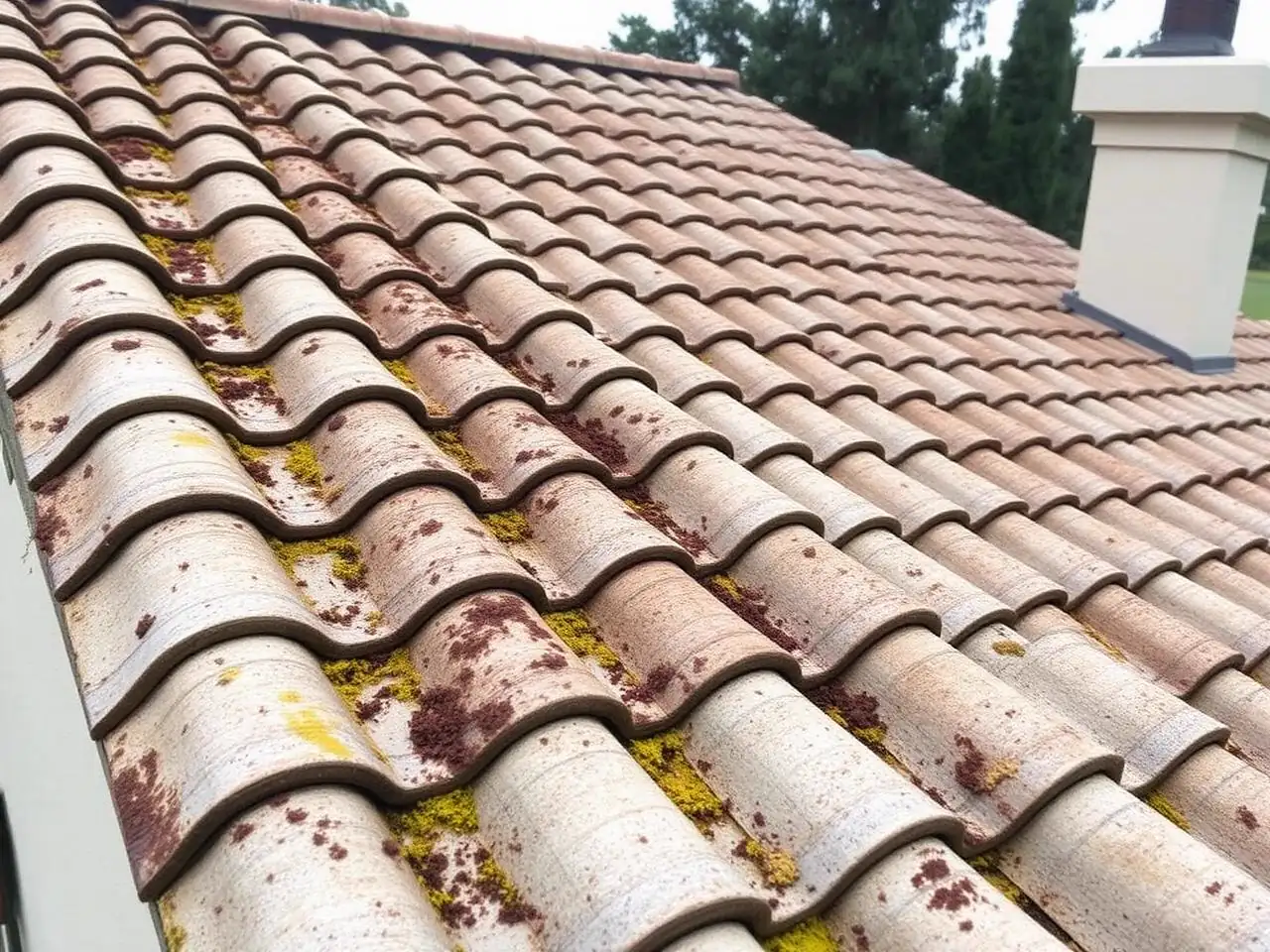
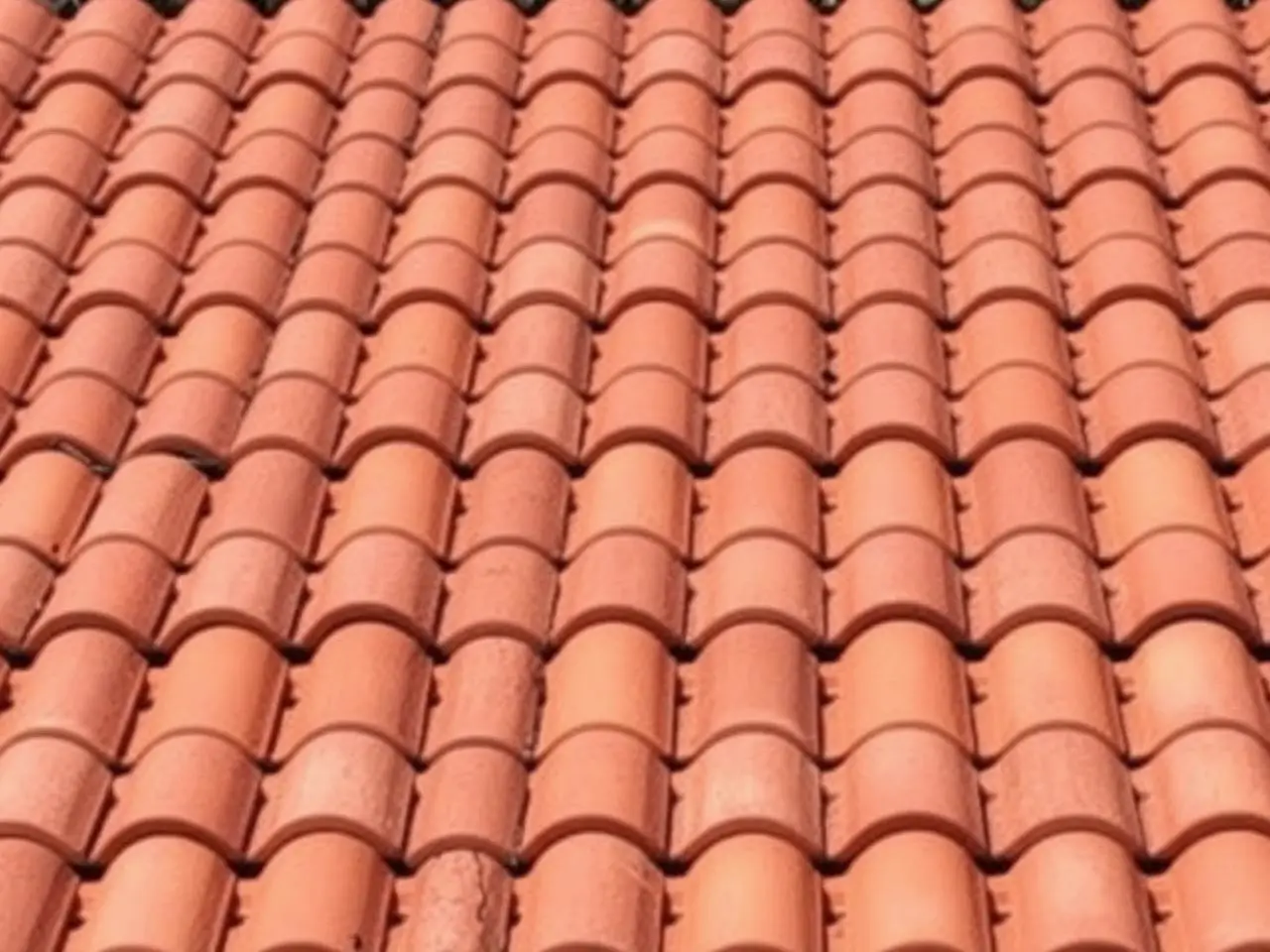
Composition shingle, the most common surface across Tracy's 1990s and 2000s tract neighborhoods, prices at the lower end of the range because it soft washes quickly and evenly across a flat plane. Concrete tile, common on newer Tracy Hills builds, runs slightly higher because the porous surface needs longer dwell time to pull lichen out of the material rather than off the top of it.
Metal roofing, seen on some newer builds and detached shop structures around Banta Road, sits at its own price point since panel seams and fastener heads need a gentler touch to avoid streaking or loosening sealant over time.
Roof pricing stands apart from exterior work quoted on stucco or siding, though the two often get bundled since overspray naturally reaches the fascia, eave and soffit trim below the roofline, and any mildew found near a downspout outlet or a clogged gutter screen gets rinsed clear in the same visit at no extra charge.
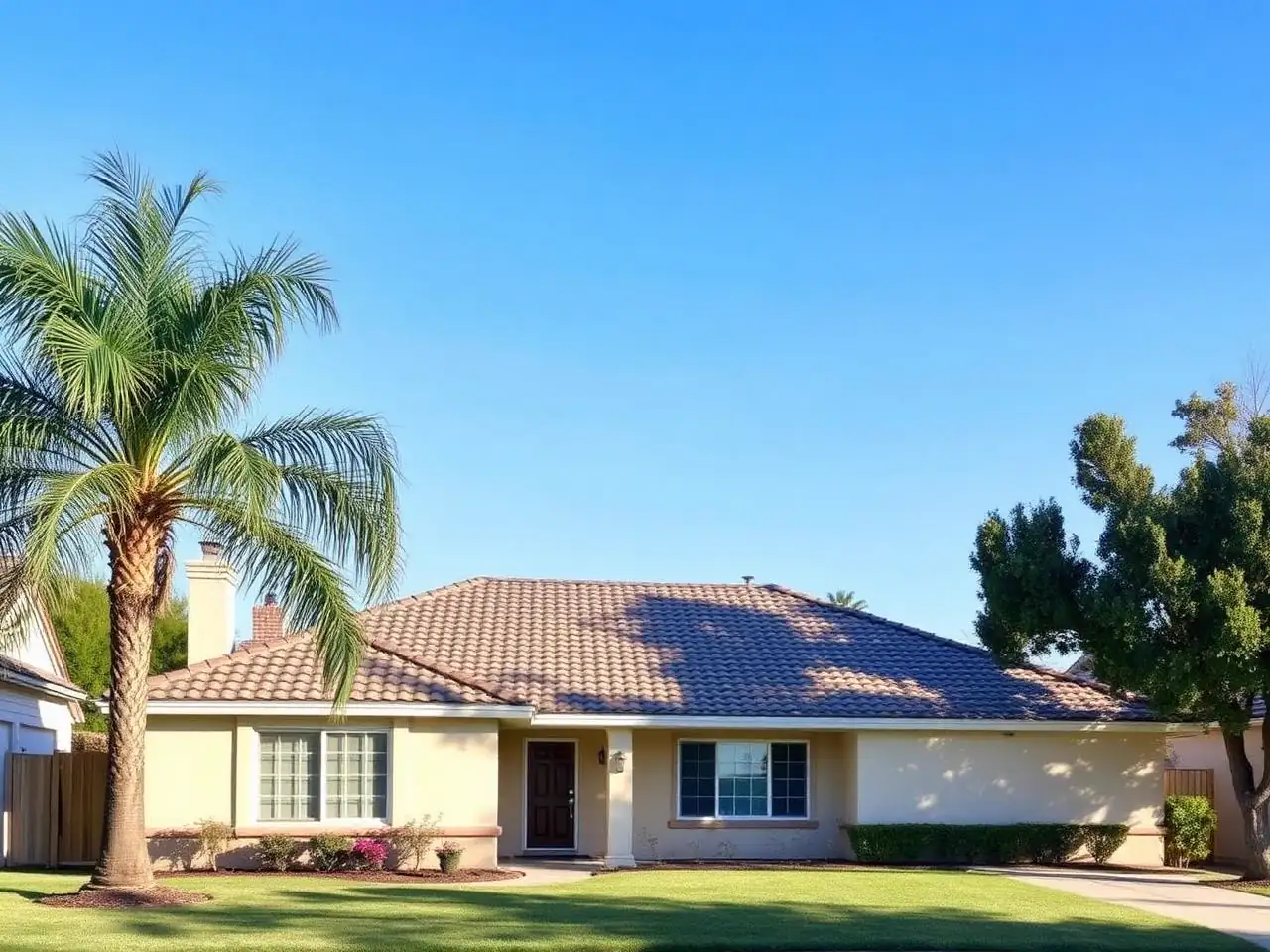
Square footage is the multiplier on top of all of that, and Tracy's larger two-story homes in Edgewood push higher into the 2,400-2,800 sq ft range, while older single-story homes near Downtown Tracy often measure closer to 1,200-1,400 sq ft of actual roof surface.
How does pitch change the price in Tracy?
Steep pitches above roughly a 6:12 slope add a surcharge in Tracy because harnessing and slower foot movement both add time on the roof.
A flat or low-slope roof lets Exterior Prime professionals move across the surface quickly and rinse evenly without added rigging, which keeps labor time down and keeps the quote closer to the base per-square-foot rate.
Once a roof climbs into steeper territory, which shows up often on the dormered two-story homes scattered through Tracy Hills and parts of Berg Ranch, safety tie-off points and slower, more deliberate movement across the slope add roughly $0.08 to $0.10 per square foot to the total.
Valleys and multiple roof planes intersecting at odd angles, common on custom-built homes near Grant Line Road, also add modest time because each valley collects extra debris that has to be cleared before the soft-wash solution can do its job evenly.
Why is a standalone roof visit priced at a $297 minimum?
A $297 minimum covers mobilization, insurance, commercial equipment and setup time regardless of how small the roof happens to be.
Even a compact 900 sq ft roof on one of the older mid-century homes near 11th Street requires the same truck-mounted equipment, safety gear and travel time as a larger job, so the minimum keeps pricing fair without penalizing bigger homes disproportionately.
Bundling roof cleaning with house washing or gutter cleaning on the same visit is the most common way Tracy homeowners reduce the effective per-job cost, since Exterior Prime professionals are already on site with equipment staged and the roof access already arranged.
For reference, gutter cleaning runs from $149 as an add-on to a roof visit, and that pairing alone often saves a Tracy customer a full second trip charge later in the year when gutters would otherwise need separate attention.
What does a real Tracy roof cleaning invoice look like?
A typical invoice breaks down base square footage rate, any pitch surcharge, and add-ons like gutter flushing into separate line items.
A 1,600 sq ft shingle roof in the Kimball area at the $0.32 per square foot rate prices near $512, and if the same home has a moderately steep pitch that number moves closer to $640 once the surcharge applies. A concrete tile roof of the same size, common in newer Tracy Hills phases, would land closer to $608 to $688.
Heavy moss coverage, more common on shaded north-facing slopes near mature trees along Tracy Boulevard, occasionally needs a second treatment pass, which adds roughly $0.05 per square foot rather than doubling the whole invoice.
San Joaquin County's dry summers mean most Tracy quotes stay stable once written, since growth rarely accelerates mid-project the way it can in wetter coastal climates, and the written quote holds through the scheduled service date. Winter tule fog and Altamont Pass grit both factor into the initial quote too, since a roof coming off a damp December-through-February stretch often carries heavier growth than the same roof quoted in July.
Homes closer to the Delta side of Tracy and out toward Banta, where well water hardness and seasonal ag dust settle into gutters faster than homes closer to town, sometimes carry a slightly heavier second-pass need that gets worked into the written estimate rather than surprising anyone after the fact.