Why is soft washing considered the safe method for Tracy roofs?
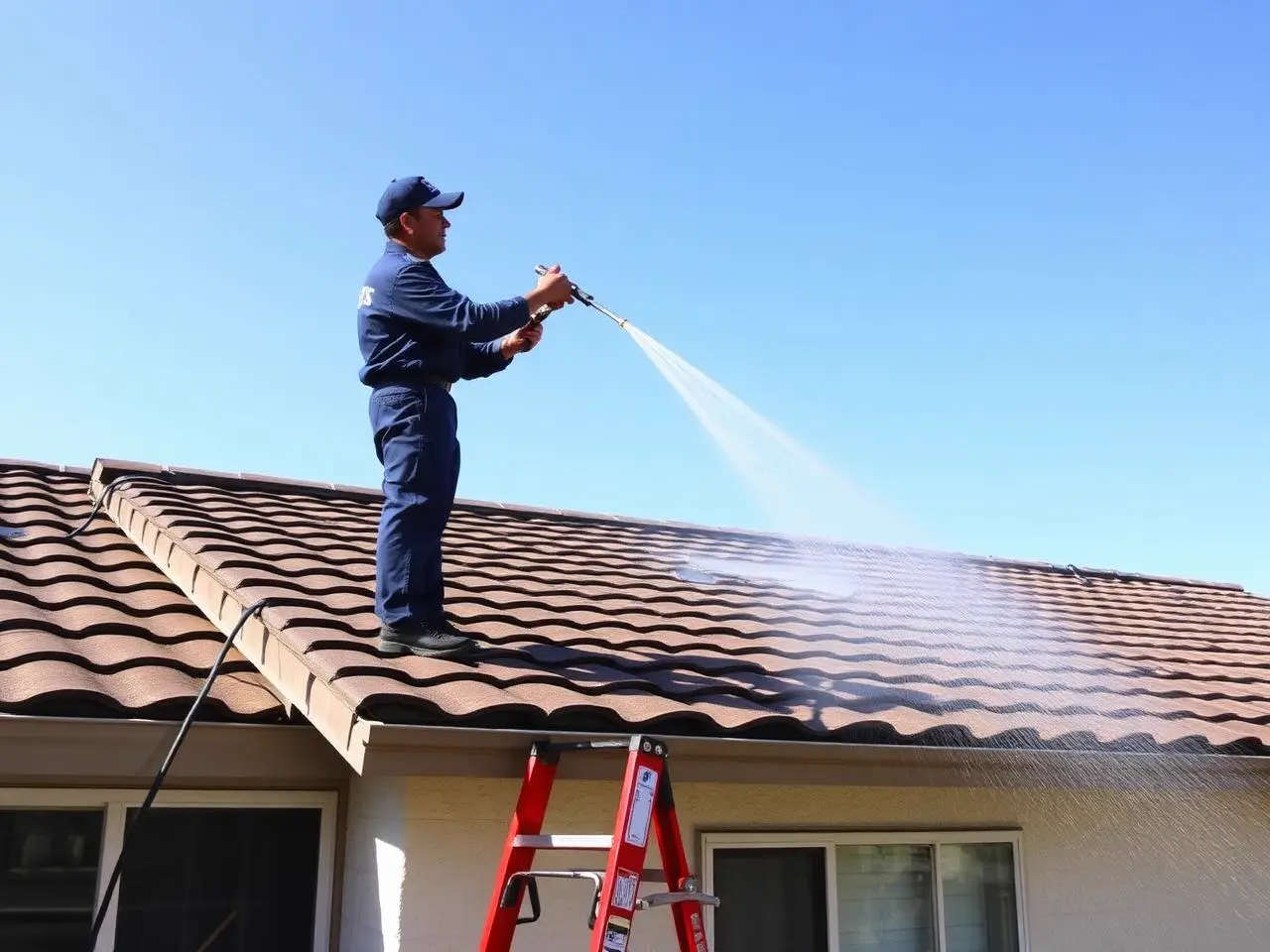
Soft washing uses hose-level pressure and chemical dwell time instead of force, which avoids stripping granules or cracking tile edges.
High-pressure equipment can strip the protective granule layer off asphalt shingle in seconds, and once granules wash into the gutter they cannot be reapplied, permanently shortening the roof's useful life. This is the single biggest safety-for-the-roof issue in Tracy, where composition shingle covers a large share of the city's 1990s and 2000s tract homes.
Soft washing instead relies on a cleaning solution that breaks down algae and moss at a cellular level, dwelling on the surface for several minutes before a gentle low-pressure rinse carries the dead organic matter away without ever exceeding what a garden hose could realistically produce.
Most major shingle manufacturers specifically caution against pressure washing in their maintenance guidance, which means the safe method and the warranty-preserving method in Tracy are, fortunately, the exact same approach.
The same low-pressure logic carries over whenever roof work overlaps with the stucco or siding below the eave line, since a soft-wash rinse directed at fascia, soffit and downspout trim avoids the streaking or efflorescence that a stiffer stream can leave behind on painted or stuccoed surfaces.
How is worker safety handled on steep Tracy roof pitches?
Harnessing, tie-off anchors and slower deliberate movement are standard on any roof pitch steep enough to warrant them in Tracy.
Two-story homes across Edgewood and dormered rooflines in parts of Tracy Hills often carry steeper pitches than the flatter single-story tract homes closer to Downtown Tracy, and Exterior Prime professionals assess pitch before ever stepping onto the surface.
Weather plays into the safety plan too — Central Valley summer heat above 100°F changes footing conditions on dark shingle roofs by mid-morning, so steep or high-heat jobs are often scheduled earlier in the day, before the surface becomes uncomfortably hot underfoot.
Gutter screens and downspout openings near the eave are checked for safe footing clearance too, since a loose screen or an overflowing gutter changes where a professional can safely plant a ladder base before ever climbing toward the roofline.
Wet conditions following a winter storm or lingering tule fog moisture also delay steep-pitch work until the surface has dried enough for safe footing, since a damp tile or shingle surface is measurably more slippery than a dry one. A typical 1,800 sq ft Tracy roof takes Exterior Prime professionals roughly 90 to 120 minutes to soft wash safely start to finish, and steep-pitch jobs above a 6:12 slope can add another 30 to 45 minutes of dwell and rinse time for the harnessed sections alone.
What roof materials need the most careful safe handling in Tracy?
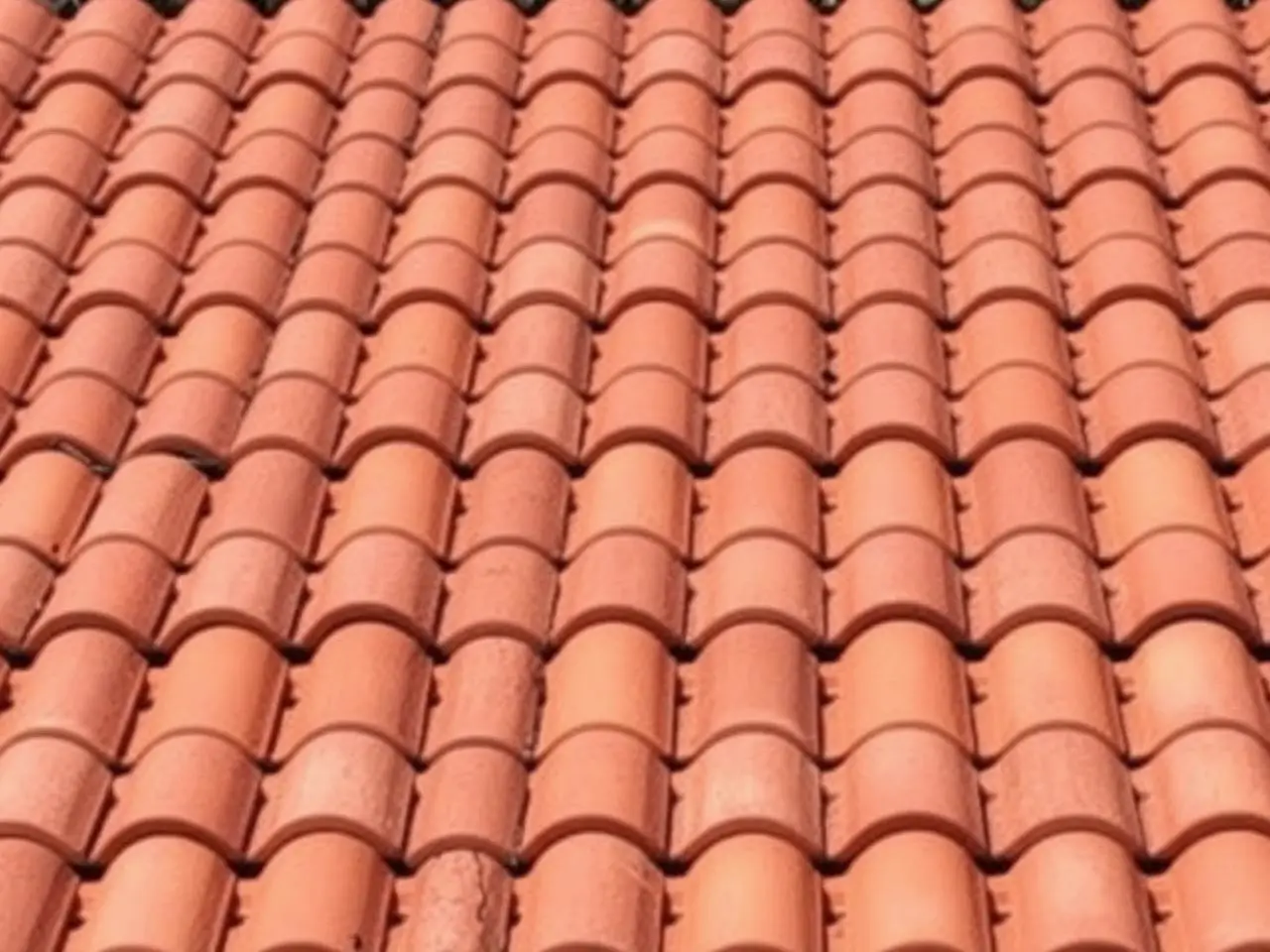
Concrete and clay tile need the most careful foot placement, since cracked tiles are the most common damage from an unsafe cleaning approach.
Newer Tracy Hills homes with concrete tile roofs require foot placement along structural batten lines rather than the center of individual tiles, which is exactly where cracks start when weight is distributed carelessly.
Metal roofing, seen on some newer Tracy builds and detached structures, needs a different kind of care since fastener heads and panel seams can loosen sealant if scrubbed aggressively rather than soft washed and rinsed at low pressure.
Composition shingle, while more forgiving underfoot than tile, is the most sensitive to pressure damage specifically, which is why the soft-wash method matters just as much for shingle safety as it does for tile structural integrity. A 1,600 sq ft shingle roof and a 1,600 sq ft tile roof both price near $448 to $608 under the safe soft-wash rate of $0.28 to $0.38 per square foot, with the $297 minimum applying only if the roof is booked as a standalone visit.
Is safe roof cleaning still effective against moss and algae in Tracy?
Yes, safe soft-wash chemistry kills moss and algae at the root just as effectively as high-pressure methods, without the collateral damage.
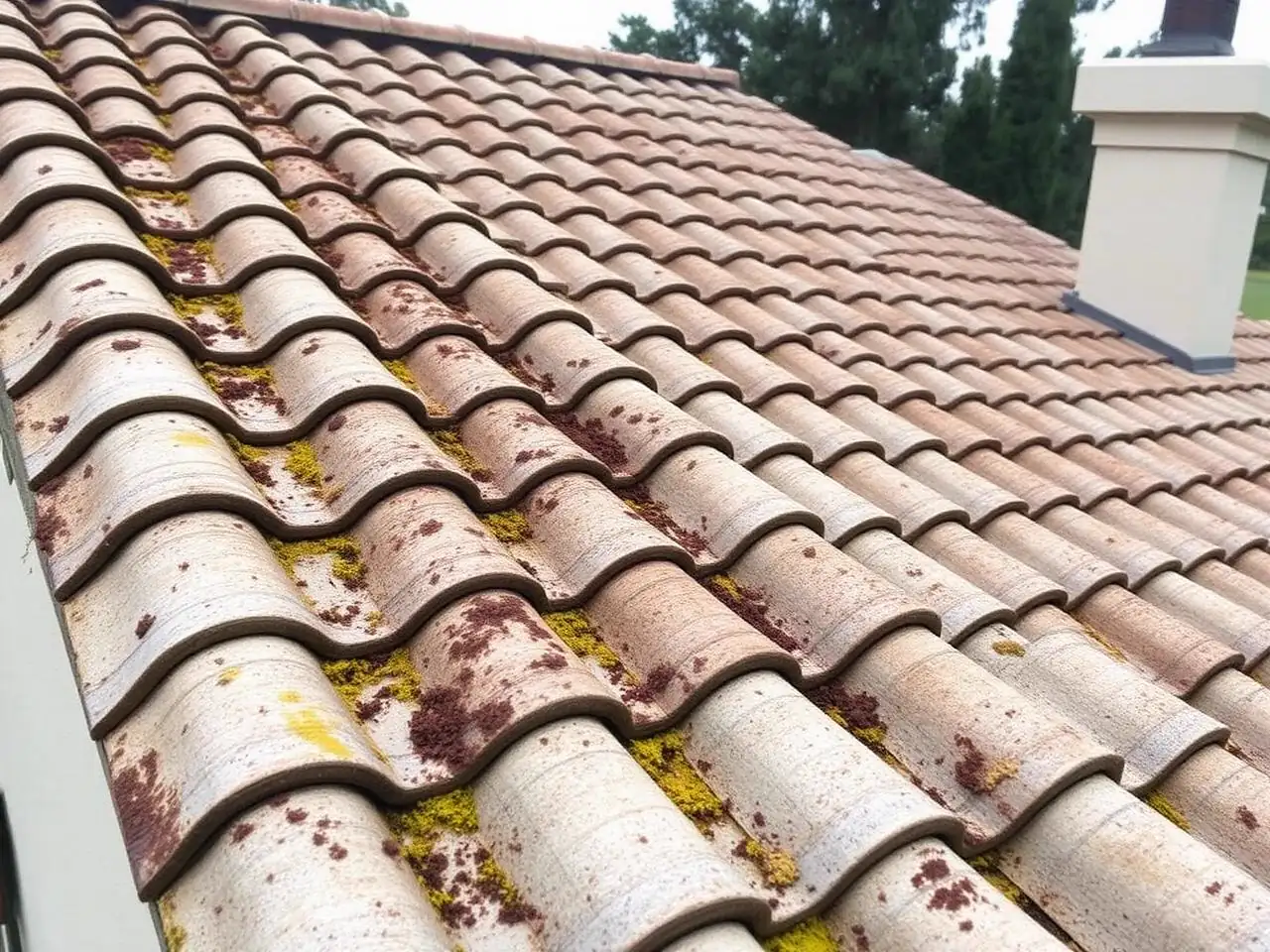
Black algae streaking, common on shaded north-facing slopes across Tracy where moisture from winter tule fog lingers longest, responds fully to soft-wash treatment within the same visit, with no need for aggressive scrubbing or repeated high-pressure passes.
Moss along valley lines and ridge caps, more common after a wet December-through-February stretch, is treated with extended dwell time in those specific areas rather than blanket high pressure across the whole roof, which targets the problem without risking the surrounding healthy shingle or tile.
Because the safe method addresses the root cause rather than just the visible surface, most Tracy roofs stay clean for 18 to 24 months after a single properly executed soft-wash visit, which is a longer result than pressure washing typically achieves anyway.