Why pressure level is the core safety issue on Lathrop roofs
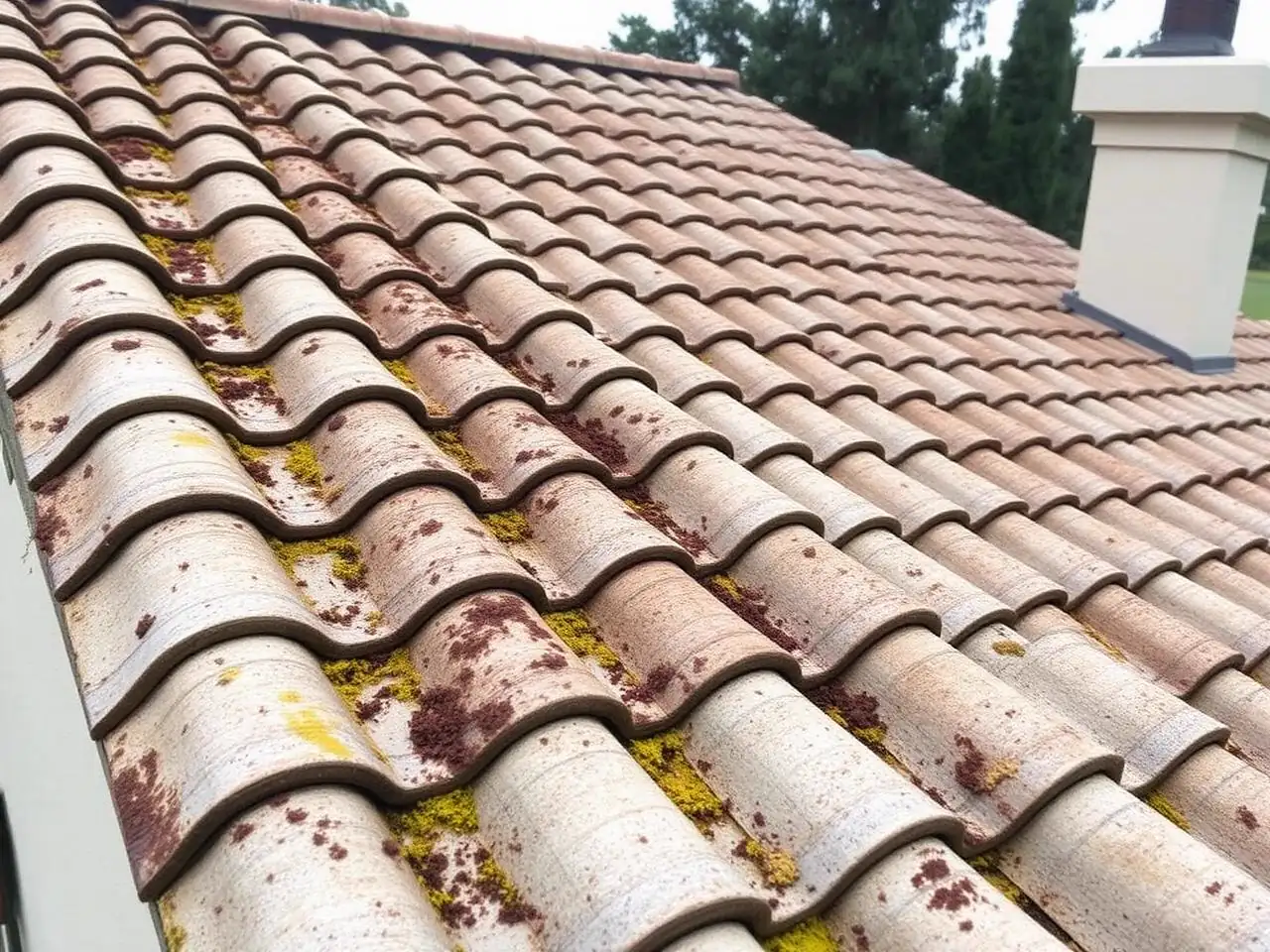
Pressure above 100 PSI can strip granules from shingle, crack tile, and even dent softer gauge metal roofing found on newer Lathrop builds.
The most common safety failure in roof cleaning is not an accident on the ladder, it is a pressure setting mismatched to the roofing material. Composition shingle, the material on most Lathrop roofs, loses its protective granule coating permanently under direct high pressure, which shortens the roof's remaining useful life even though the immediate result looks clean.
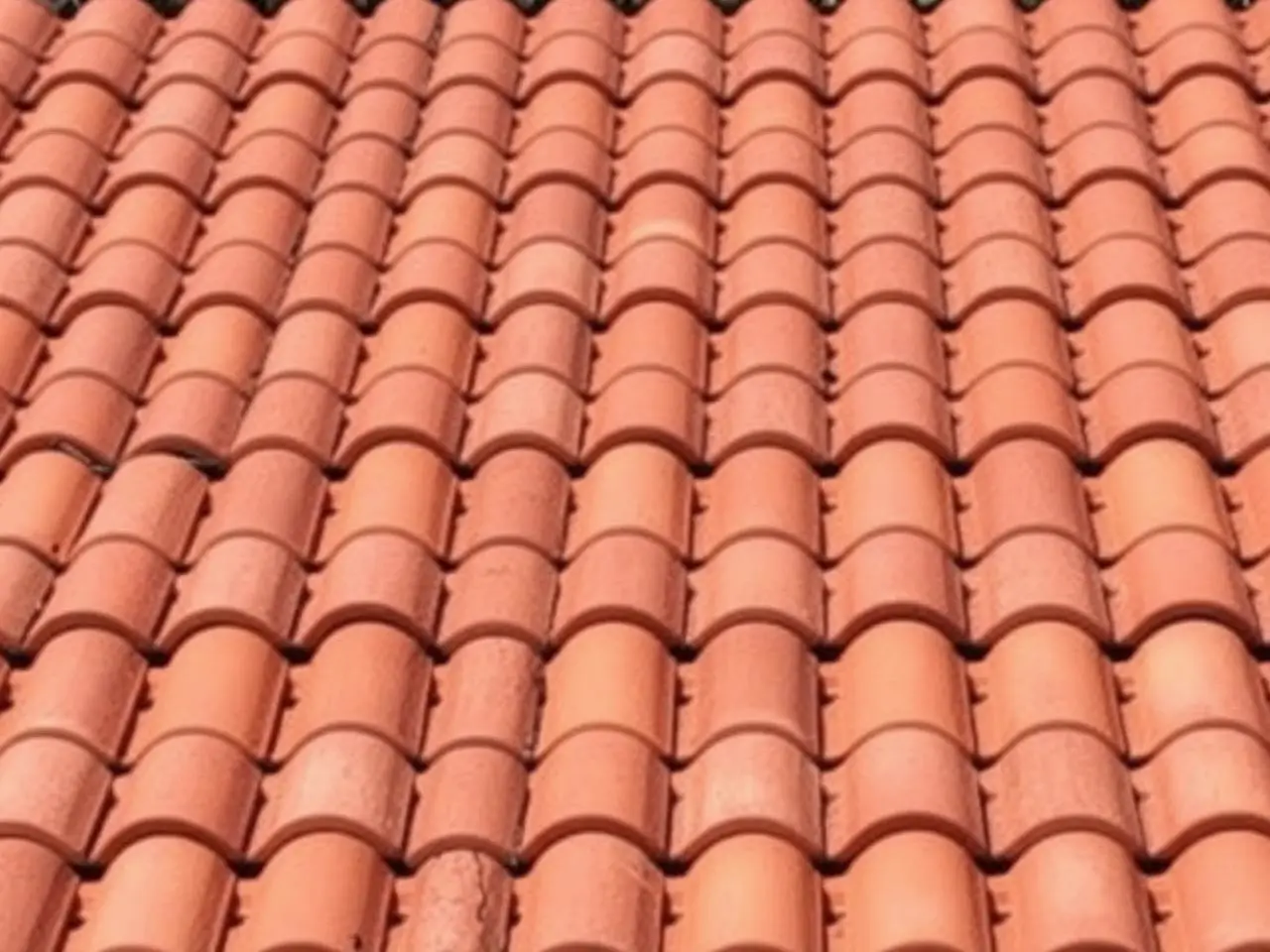
Metal roofing, increasingly common on newer Mossdale Landing homes with standing-seam styles, can also show denting or coating damage from an aggressive pressure setting, especially on thinner-gauge panels. Tile cracks under concentrated pressure applied directly, particularly around ridge caps and edges where the material is thinnest.
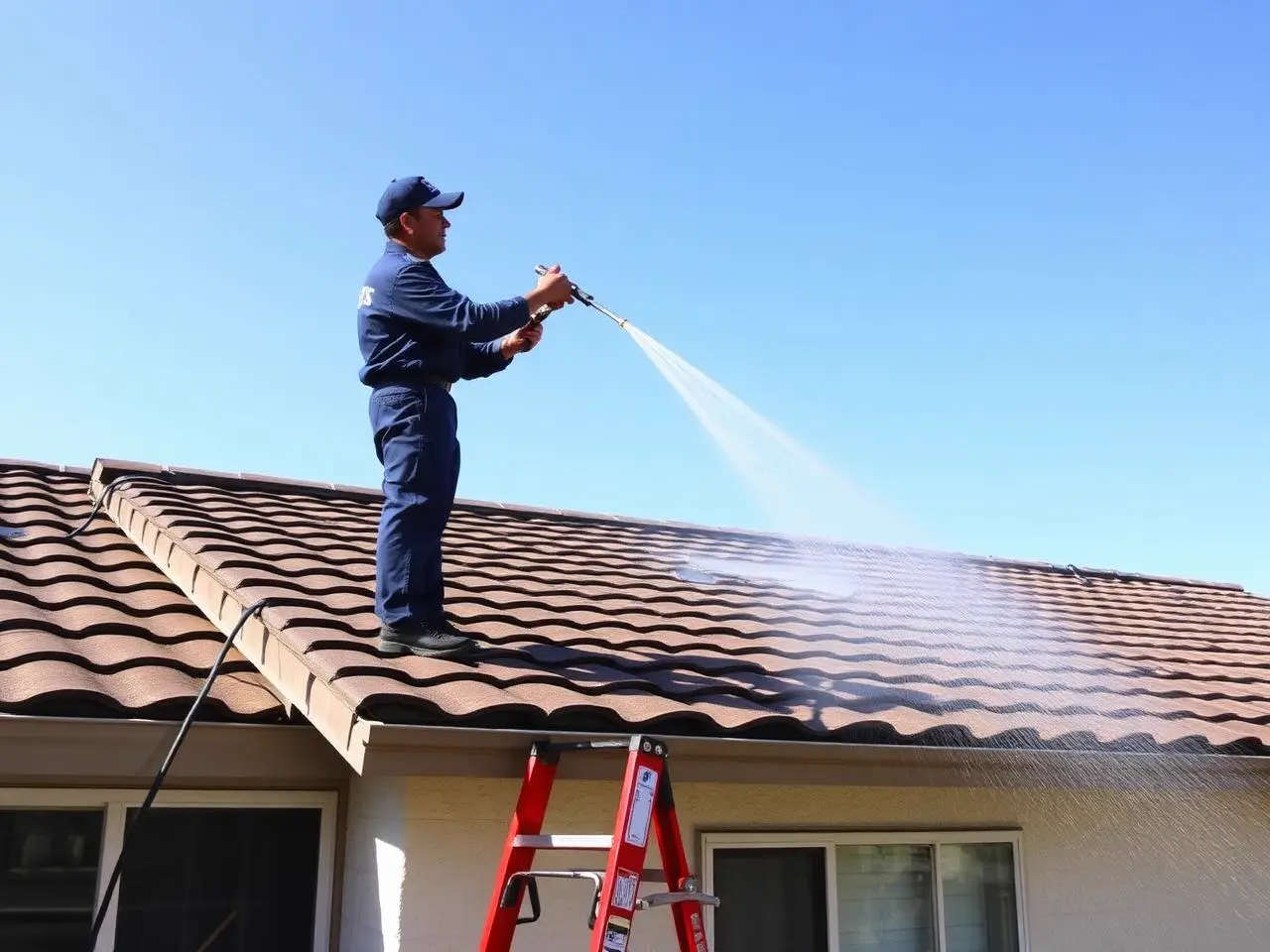
Exterior Prime professionals set pressure under 100 PSI for every roof material in Lathrop regardless of how stubborn the staining looks, relying on the detergent dwell time to do the actual cleaning work instead of force.
Chemical safety for people, pets and plants in Lathrop yards
Detergent runoff is pre-diverted away from drought-tolerant landscaping common in newer River Islands yards to prevent scorching.
The cleaning solution used on Lathrop roofs is biodegradable and applied at a concentration matched to the growth severity present, but any surfactant can still stress sensitive plants if it runs off unchecked. Before starting work, landscaping directly below the roofline is pre-wet with plain water, which dilutes any runoff on contact and reduces the risk of leaf scorch.
Pets and outdoor furniture are moved or covered as part of the pre-work walkthrough, and homeowners are given a window during which windows and doors should stay closed while the detergent dwell period runs its course, typically 15 to 30 minutes depending on the job.
Weather and access safety on Lathrop roofs
Winter Tule fog leaves Lathrop roofs damp and slick well into mid-morning, which shifts scheduling for safety reasons during that season.
Roof work is not performed on a wet or actively slick surface, which means winter mornings in Lathrop often push start times later until fog clears and shingle or tile has a chance to dry enough for safe footing, particularly on steeper custom rooflines in River Islands.
Summer heat above 100°F introduces a different consideration: dark shingle surfaces can reach uncomfortable working temperatures by early afternoon, so summer Lathrop roof jobs are often scheduled for earlier morning starts to keep conditions safer for the professionals working at height.
Does Lathrop's Central Valley climate raise any safety concerns?
San Joaquin County's Tule fog, hardpan drainage and delta breeze humidity each shift how Exterior Prime schedules a safe Lathrop roof visit.
Lathrop sits on the Central Valley floor, and that flat geography keeps morning fog and dew sitting on Woodfield and Historic Lathrop rooflines longer than a hillside town would see, which is why Exterior Prime professionals wait for a dry, non-slick surface before setting a ladder anywhere in ZIP 95330. Hardpan soil beneath many yards also drains runoff more slowly, so pre-wetting and rinse water are managed carefully near foundations.
The delta breeze that reaches Lathrop most afternoons helps dry a roof faster once fog clears, and Exterior Prime professionals use that natural drying window to plan safer footing on steep River Islands and Stonebridge pitches rather than starting the moment the sun comes up.